
Understanding Cystic Fibrosis and the Role of Delta Phi Epsilon in Philanthropy
Cystic fibrosis (CF) is a genetic disorder that primarily affects the lungs and digestive system. It is caused by a mutation in the CFTR gene, leading to the production of thick, sticky mucus that can clog the airways and create an environment for bacteria to thrive.
INFORMATION
Kenyon Later
3/30/20262 min read
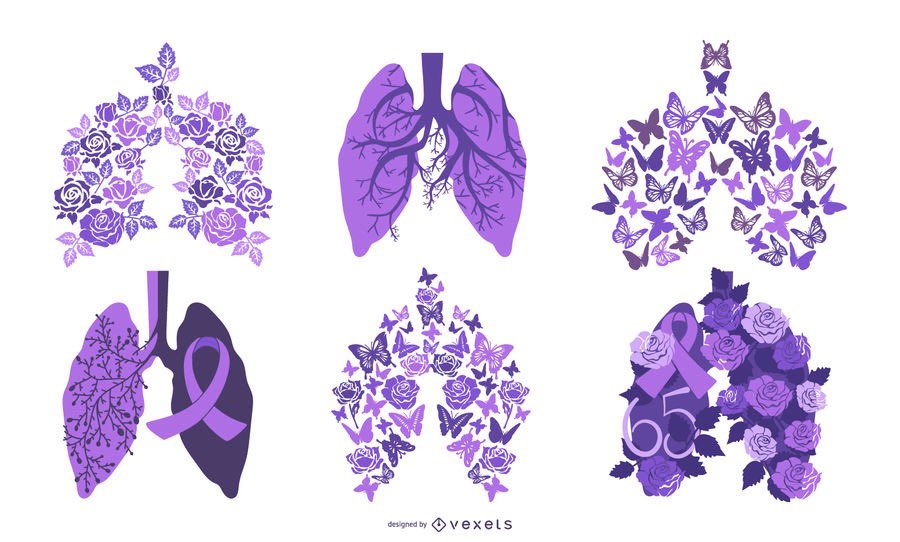
What is Cystic Fibrosis?
Cystic fibrosis (CF) is a genetic disorder that primarily affects the lungs and digestive system. It is caused by a mutation in the CFTR gene, leading to the production of thick, sticky mucus that can clog the airways and create an environment for bacteria to thrive. This can result in severe respiratory issues, persistent coughing, and digestive problems due to the obstruction of pancreatic enzymes. Early diagnosis and intervention are critical for managing the symptoms of this chronic illness, improving the quality of life for those affected.
Impact of Cystic Fibrosis on Individuals and Families
The challenges posed by cystic fibrosis extend beyond physical health. Individuals with CF are required to maintain strict treatment regimens, which often include daily medications, physiotherapy, and regular check-ups. This can be emotionally draining for both patients and their families, who often carry the burden of additional stressors such as financial strain from medical expenses. The nature of the disease also necessitates supportive social and emotional networks to help families cope with the ongoing challenges associated with living with cystic fibrosis.
Delta Phi Epsilon's Commitment to Cystic Fibrosis Philanthropy
Recognizing the significance of awareness and action surrounding cystic fibrosis, Delta Phi Epsilon (DPhiE) sorority actively participates in philanthropy focused on this crucial health issue. Through various fundraising activities, events, and initiatives, DPhiE works tirelessly to support research aimed at finding effective treatments and ultimately a cure for cystic fibrosis. The sorority’s involvement includes organizing walks, community outreach programs, and educational workshops that seek to inform the public about the challenges faced by those with CF.
In addition to fundraising, Delta Phi Epsilon fosters a supportive community among its members, encouraging them to engage with CF awareness both on campus and in the broader community. Members participate in campaigns to spread knowledge about cystic fibrosis, emphasizing the importance of support and understanding for affected families. This initiative is vital not only to encourage research funding but also to create an environment where the struggles of those living with CF are acknowledged and embraced.
Ultimately, the efforts of Delta Phi Epsilon in improving the lives of individuals with cystic fibrosis demonstrate the power of community and philanthropy. By championing causes that contribute toward health advancements and awareness, the organization plays a significant role in the fight against cystic fibrosis, embodying the spirit of compassion, activism, and resilience needed to tackle health disparities.